Climbing Insurance for Chulu East Peak Climbing
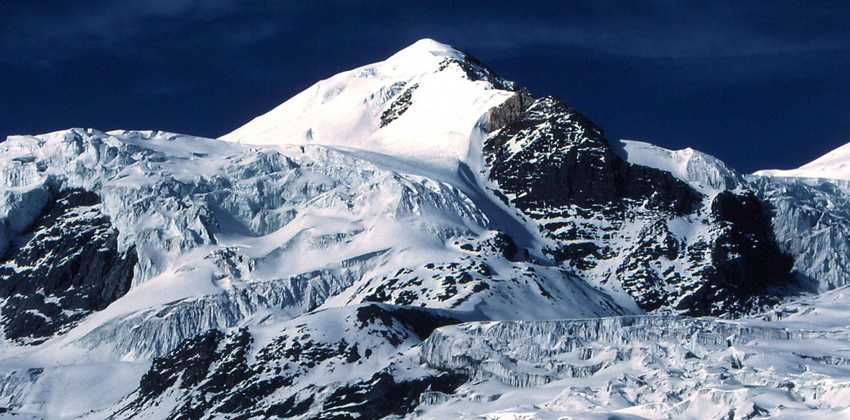
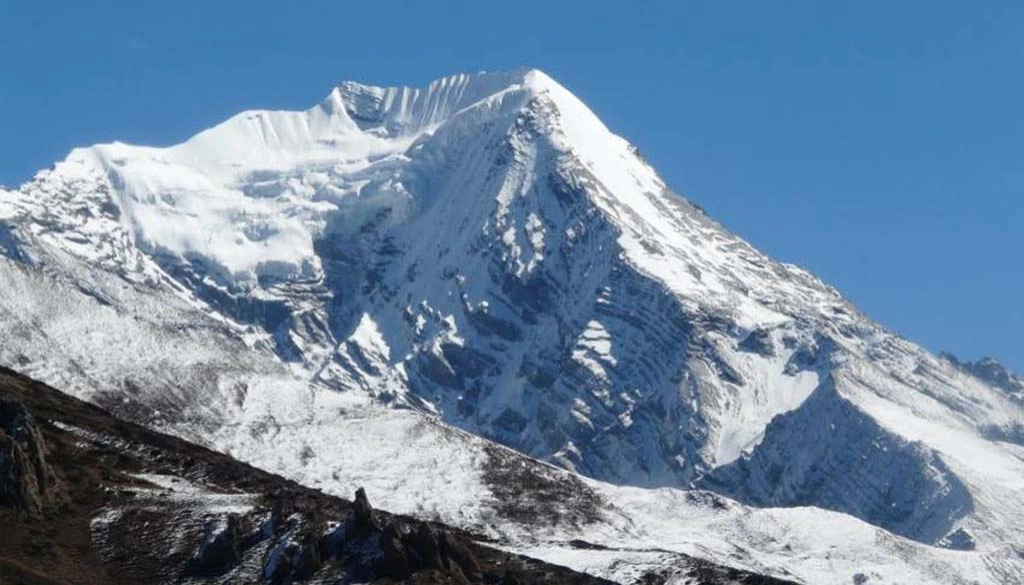
Travel insurance is an essential requirement for anyone planning the Chulu East Peak Climbing expedition. Rising to an elevation of 6,584 meters (21,601 feet), Chulu East Peak is one of Nepal's popular trekking peaks and offers an exciting mountaineering experience in the Annapurna region. The climb takes you through remote mountain landscapes where weather conditions can change quickly, and access to advanced medical facilities is limited. In the event of an accident, injury, or altitude-related illness, helicopter evacuation may be the quickest and safest way to receive medical care.
For these reasons, Nepal Voyage Treks Pvt. Ltd. strongly recommends that every climber purchase comprehensive travel insurance before arriving in Nepal. A suitable insurance policy provides financial protection against unexpected situations and allows you to enjoy your climbing adventure with confidence.
Why Do You Need Travel Insurance for Chulu East Peak Climbing?
Although Chulu East is considered a trekking peak, it is a true mountaineering expedition that reaches well above 6,000 meters. Climbers may encounter steep snow slopes, glaciers, cold temperatures, high winds, and thin air at higher elevations. Even experienced climbers can suffer from altitude sickness, injuries, or weather-related delays.
A comprehensive travel insurance policy ensures that you are protected if an emergency occurs during your expedition.
With the right insurance, you can benefit from:
- Emergency helicopter evacuation from remote mountain areas.
- Coverage for medical treatment, hospitalization, and emergency care.
- Financial protection for altitude-related illnesses, including Acute Mountain Sickness (AMS), High Altitude Pulmonary Edema (HAPE), and High Altitude Cerebral Edema (HACE).
- Compensation for trip cancellation, interruption, or travel delays due to unforeseen circumstances.
- Coverage for lost, delayed, or damaged baggage and climbing equipment, depending on your policy.
- Greater peace of mind throughout your journey.
What Should Your Insurance Cover?
Before purchasing your insurance, carefully read the policy to ensure it covers high-altitude mountaineering activities.
1. High-Altitude Peak Climbing Coverage
Your insurance policy must clearly cover peak climbing up to at least 6,600 meters, as Chulu East Peak stands at 6,584 meters. Many standard travel insurance policies exclude mountaineering or activities above certain elevations, so always confirm that Chulu East Peak Climbing is specifically covered.
2. Emergency Helicopter Evacuation
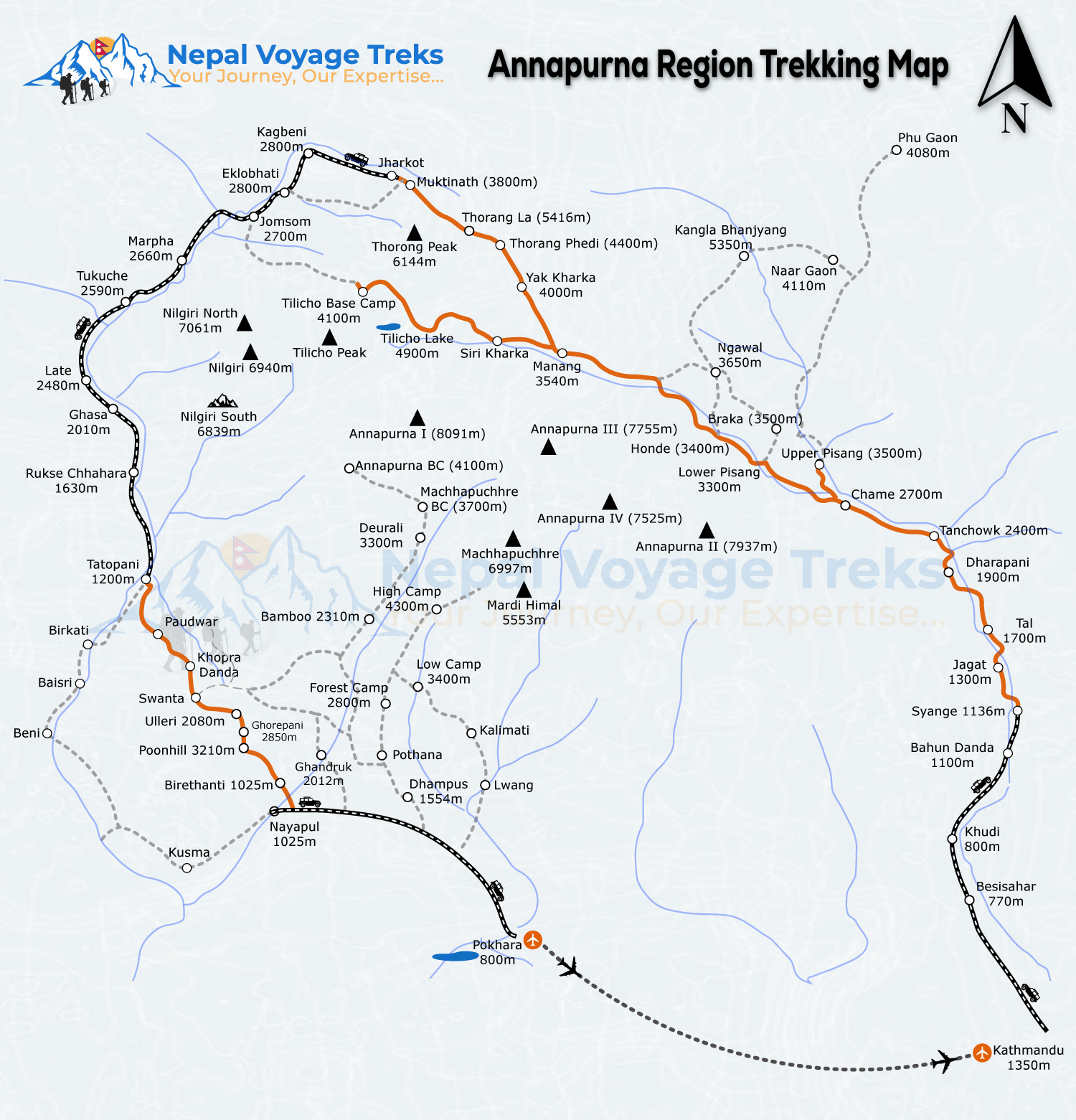
Because Chulu East lies in a remote section of the Annapurna region, helicopter evacuation may be necessary in the event of serious illness or injury. Your policy should explicitly include emergency helicopter rescue and air evacuation from high-altitude locations.
A minimum coverage limit of USD 100,000 for medical expenses and emergency evacuation is highly recommended.
3. Medical Expenses
Choose a policy that covers:
- Emergency medical treatment
- Hospitalization
- Doctor consultations
- Prescription medications
- Treatment for altitude-related illnesses
- Emergency transportation
This coverage helps protect you from potentially high medical costs during your expedition.
4. Trip Cancellation and Trip Interruption
Mountain weather, flight delays, illness, or unexpected personal emergencies may require changes to your itinerary. A comprehensive insurance policy can reimburse eligible non-refundable expenses if your trip is cancelled or interrupted.
5. Baggage and Climbing Equipment
Climbers often travel with valuable equipment such as mountaineering boots, crampons, ice axes, helmets, harnesses, sleeping bags, and technical clothing. Insurance that covers lost, stolen, or delayed luggage can help reduce financial losses if your gear is affected during travel.
6. Personal Liability
Personal liability coverage protects you if you accidentally cause injury to another person or damage someone else's property during your trip.
Recommended Travel Insurance Providers
Several international insurance companies offer policies suitable for high-altitude trekking and peak climbing. Popular providers include:
- World Nomads
- Allianz Travel Insurance
- Global Rescue
- True Traveller (for eligible European residents)
- AXA Assistance
Insurance policies vary depending on your country of residence and provider. Before purchasing, confirm that your policy specifically covers Chulu East Peak Climbing, emergency helicopter evacuation, and mountaineering activities above 6,500 meters.
Important Documents to Carry
Before beginning your expedition, make sure you carry the following documents:
- A printed copy of your travel insurance policy.
- A digital copy stored on your mobile phone or email.
- Your insurance policy number.
- Emergency contact details for your insurance provider.
- Copies of your passport, visa, and other important travel documents.
It is also advisable to provide your insurance details to your guide and the Nepal Voyage Treks Pvt. Ltd. office before the expedition begins. Having this information readily available can help ensure a faster response if an emergency arises during your climb.
Tips for Climbing Sherpas, Guides, Porters, and Support Staff
A Chulu East Peak Climbing adventure is an exciting combination of trekking through the Annapurna region and climbing one of Nepal's most rewarding trekking peaks. Standing at 6,584 meters (21,601 feet), Chulu East Peak offers magnificent views of Annapurna II, Annapurna III, Annapurna IV, Gangapurna, Dhaulagiri, Manaslu, Tilicho Peak, and the surrounding Himalayan ranges. Although Chulu East is classified as a trekking peak, it requires good physical fitness, proper acclimatization, and basic mountaineering skills.
Throughout the expedition, your climbing Sherpas, trekking guides, porters, cooks, and support staff work tirelessly to ensure your safety and comfort. They carry equipment, establish camps, prepare meals, monitor weather conditions, assist with technical climbing sections, and provide valuable guidance during your summit attempt.
Tipping is a respected tradition in Nepal's trekking and mountaineering industry. While it is not compulsory, it is a meaningful way to thank the dedicated team whose experience and hard work contribute greatly to the success of your Chulu East Peak climb.
1. Guide, Climbing Sherpa, Porter, and Support Staff Wages
Professional climbing Sherpas, trekking guides, and porters receive wages based on their experience, responsibilities, expedition duration, and company policies. Reputable operators such as Nepal Voyage Treks Pvt. Ltd. ensure that their staff receive fair wages, proper insurance, meals, accommodation, and suitable climbing equipment.
During your Chulu East Peak Climbing expedition, your support team is responsible for:
- Guiding you safely along the trekking and climbing route.
- Monitoring your health and acclimatization.
- Providing basic mountaineering instruction.
- Fixing ropes where necessary.
- Carrying climbing equipment and expedition supplies.
- Preparing meals and organizing camps.
- Assisting during emergencies and coordinating rescue operations if required.
Although these services are included in your expedition cost, tipping is a valued way to recognize exceptional service.
2. How Much Should You Tip?
Tipping is always optional and should reflect the quality of service provided throughout your expedition.
Recommended Tipping Guidelines
| Expedition Staff |
Recommended Tip |
| Climbing Sherpa |
USD 150–300 per climber |
| Trekking Guide |
USD 100–180 per climber |
| Porter |
USD 50–100 per climber |
| Kitchen Staff |
USD 40–80 per climber |
| Assistant Guide |
USD 60–120 per climber (if applicable) |
The amount you choose to tip may depend on:
- The duration of the expedition.
- The quality of service provided.
- The size of your climbing group.
- The level of personal support you received.
- Whether your climbing Sherpa accompanied you during the summit climb.
- Your overall climbing experience.
Many climbers choose to offer a higher tip to their climbing Sherpa because of the additional responsibility involved in ensuring a safe and successful summit attempt.
3. Group Tipping
If you are climbing as part of a group, it is common to collect everyone's contributions and present the tips together at the end of the expedition.
Group tipping is a respectful way to thank the entire climbing team while ensuring that every member receives fair recognition for their hard work and dedication.
Most climbers present their tips during the farewell dinner in Kathmandu or after returning from the Annapurna region.
4. Respecting Your Climbing Team
A successful Chulu East Peak climb depends on teamwork, communication, and mutual respect. Your climbing Sherpas have extensive experience working in high-altitude environments and possess valuable knowledge of the mountain's conditions.
Respect Your Climbing Sherpa and Guide
Your climbing Sherpa is responsible for your safety throughout the expedition and plays a key role during the summit push.
Always:
- Follow safety briefings carefully.
- Listen to your guide's instructions.
- Respect decisions regarding weather and climbing conditions.
- Inform your guide immediately if you feel unwell or experience symptoms of altitude sickness.
Their experience and judgment are essential for making safe decisions in the mountains.
Respect Your Porter
Porters work extremely hard to carry your climbing gear and expedition supplies through challenging mountain trails.
Please remember:
- Keep your luggage within the recommended weight limit set by your trekking company.
- Avoid bringing unnecessary items.
- Treat your porter with kindness, patience, and respect throughout the journey.
Responsible trekking and climbing benefit both travelers and the local mountain community.
5. Safety Comes Before the Summit
Reaching the summit of Chulu East Peak is a remarkable achievement, but returning safely is always the primary goal.
If your expedition leader or climbing Sherpa advises postponing or cancelling the summit attempt because of:
- Severe weather.
- Heavy snowfall.
- Strong winds.
- Avalanche danger.
- Altitude sickness.
- Unsafe climbing conditions.
Always respect their decision. Mountains will always be there, and making the right safety decision allows you the opportunity to return for future adventures.
6. When and How to Tip
The best time to present tips is after the expedition has been completed, usually during the farewell dinner or after returning to Kathmandu.
For a respectful presentation:
- Place your tip inside an envelope.
- Hand it directly to each individual whenever possible.
- Personally thank them for their dedication and support.
- A simple "Dhanyabad" (Thank you) is always warmly appreciated.
A heartfelt expression of gratitude often means just as much as the financial reward.
7. Other Ways to Show Appreciation
In addition to tipping, there are many meaningful ways to thank your climbing team.
You can:
- Personally thank your climbing Sherpa and guide after the expedition.
- Share expedition photographs with your team.
- Leave positive reviews on Google or TripAdvisor mentioning staff members by name.
- Recommend Nepal Voyage Treks Pvt. Ltd. to friends and fellow climbers.
- Stay in touch with your climbing team after returning home.
These thoughtful gestures help support Nepal's mountaineering professionals and recognize their dedication.
8. Quick Summary
| Aspect |
Recommendation |
| Climbing Sherpa Tip |
USD 150–300 per climber |
| Trekking Guide Tip |
USD 100–180 per climber |
| Porter Tip |
USD 50–100 per climber |
| Kitchen Staff Tip |
USD 40–80 per climber |
| When to Tip |
At the end of the expedition |
| How to Tip |
Present personally in an envelope with a sincere thank you |
| Best Practice |
Respect your climbing team, follow safety advice, and tip according to the quality of service received |
Final Note
Climbing Chulu East Peak is a rewarding Himalayan adventure that combines breathtaking mountain scenery with the excitement of high-altitude mountaineering. Behind every successful summit is a dedicated team of climbing Sherpas, guides, porters, cooks, and support staff who work tirelessly to make your expedition safe, comfortable, and memorable.
By offering fair tips, treating your climbing team with respect, and expressing genuine appreciation for their hard work, you help support Nepal's mountaineering community and acknowledge the professionals whose expertise and commitment make your Chulu East Peak adventure possible.